
How to Make an Easy, Effective & Natural DIY Weed Killer

Tired of buying expensive weed-killers that might be harmful to your family and pets? I've got a solution for you! This DIY weed-killer is not only effective but also safe for your kids and furry friends.
With just a few simple ingredients, you can make your own natural weed-killer recipe that works faster than commercial solutions. Here's a super simple step-by-step guide on how to do it.
Hometalk Recommends!
Tools and materials
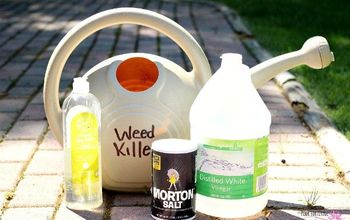
- 32 oz white vinegar
- Dish soap
- 1/4 cup salt
- A squirt bottle
- A funnel
Steps
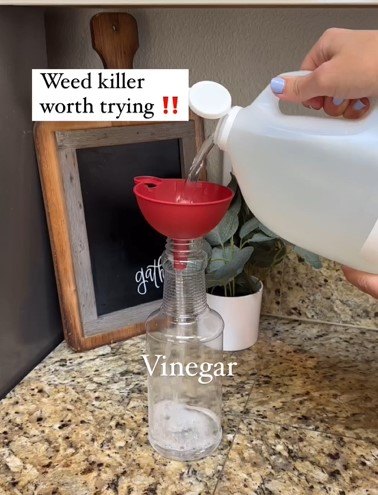
Step 1: Measure the vinegar
Measure out 32 oz (1 quart) of white vinegar. Using a funnel, pour the measured vinegar into a spray bottle. White vinegar is an excellent natural herbicide due to its high acidity. It can effectively kill weeds without harming the environment.
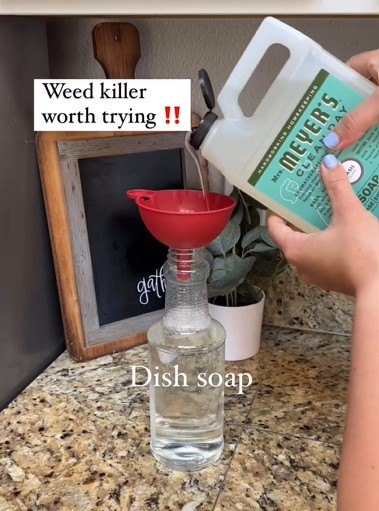
Step 2: Add dish soap
Add a small dash of dish soap to the vinegar. Dish soap acts as a surfactant, helping the solution stick to the leaves of the weeds. It also breaks down the waxy surface of the weeds, making the solution more effective.
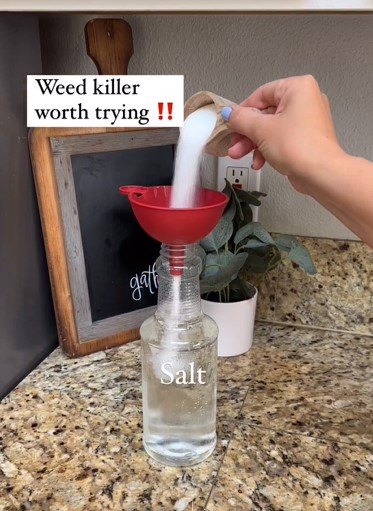
Step 3: Add salt
Measure out 1/4 cup of salt. Salt is a desiccant, which means it can draw moisture from the weeds, ultimately causing them to dry out and die. Add the salt to the spray bottle with the vinegar and dish soap.
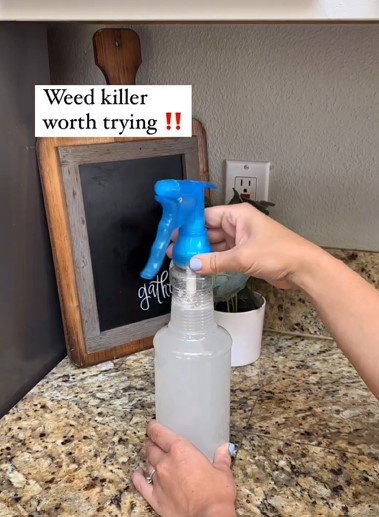
Step 4: Mix the solution
Shake the bottle with vinegar, dish soap, and salt. Make sure the salt is dissolved in the solution.
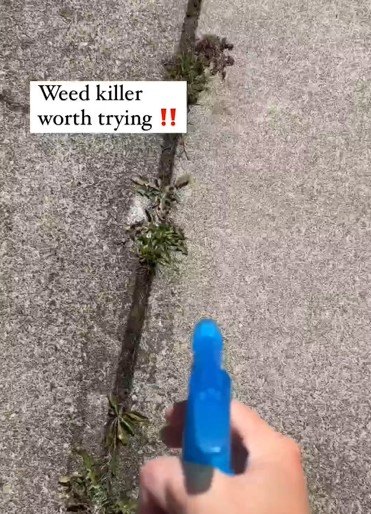
Step 5: Apply the weed-killer
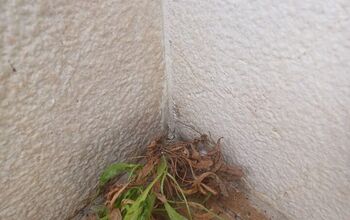
Hold the squirt bottle a few inches away from the weeds and generously spray the solution onto the leaves and stems. Make sure you cover the weeds thoroughly. You'll start to notice results within a few hours. In many cases, the weeds will start wilting and showing signs of damage within six hours.
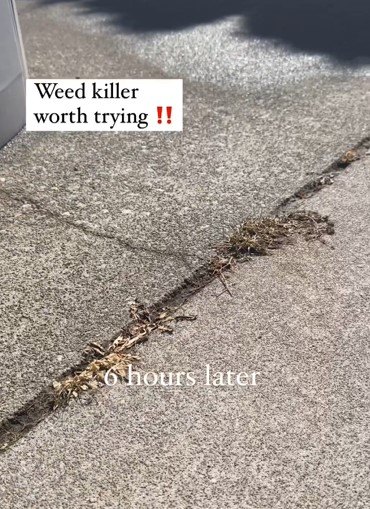
DIY weed-killer
Repeat the spraying in a day or two for stubborn or larger weeds. This solution is a great alternative to store-bought weed-killers and can help you maintain a weed-free garden or yard.
Remember, always exercise caution when using any kind of weed-killer, and avoid spraying it on desirable plants or grass. Let me know in the comments this DIY weed-killer recipe worked for you!
Follow @gatheratthebooths on Instagram for more DIY ideas.
Comments
Join the conversation
-
you Did not do your homework. This is a toxic solution primarily because of runoff go to the EPA site and look for toxic weed killers like round up round up binds to organic matter. No runoff. Dish soap and vinegar easily washes away and pollutes streams. All the lawsuits have given Glysophate a bad rap. But the world would starve without it.
-
One thing to note is that you should use the stronger, industrial strength Vinegar. I used 20% (I believe regular kitchen vinegar is only about 5%)...1 gallon of 20% vinegar, 1 cup salt and 2 tablespoons of dish soap and within 2 or 3 days, all of the weeds that I had sprayed it on were brown. Of course, the neighborhood smelled like a bag of Salt & Vinegar potato chips, but it could have been worse!

















Frequently asked questions
Have a question about this project?
Does it kill grass?
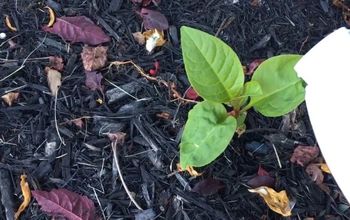
is the natural weed killer safe for plants you don’t want to harm? We have weeds everywhere but some are adjacent to lovely trees.