How to Make Homemade Fabric Softener

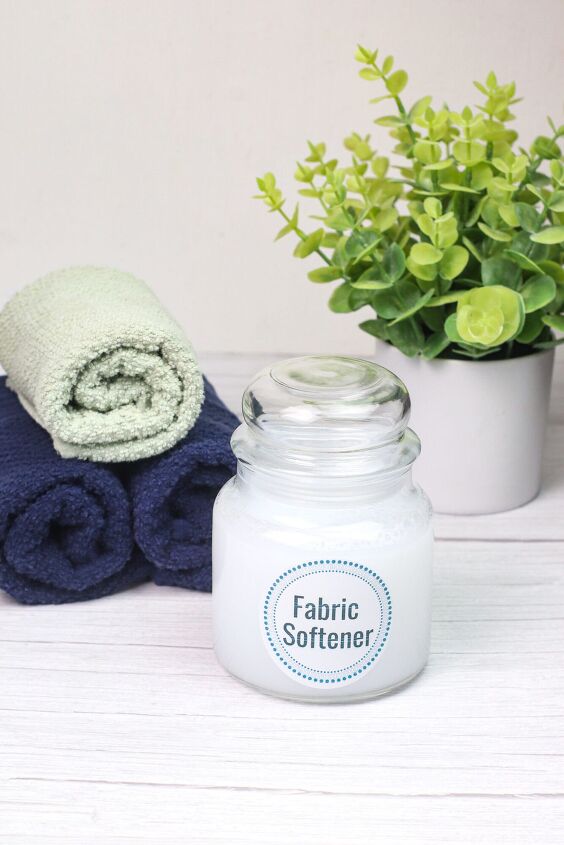
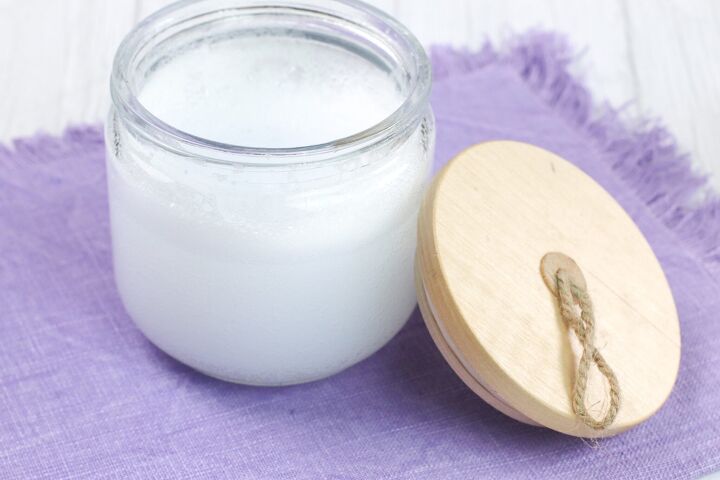
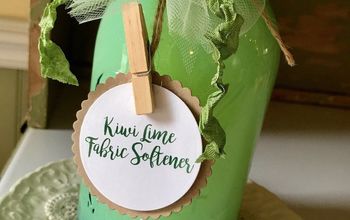
Learn how to make your own homemade fabric softener with simple natural ingredients so you can save money and reduce the amount of harsh chemicals you use.I know what you’re thinking, “Who has time to make their own fabric softener? I barely have enough time as it is!” Believe me, I understand. But this homemade version of liquid fabric softener will save you money and leave your clothes smelling fresh and clean. You can’t beat that!
If you’re looking for an alternative way to clean your clothes without using store bought fabric softeners then read on!
Hometalk Recommends!
Laundry comes out feeling soft and smelling great with fabric softeners, made from ingredients that reduce the amount of static cling in synthetic fibers. The vinegar in this recipe is a great way to rinse the soap residue, dirt and grime off your wash clothes.
This homemade fabric softener has only a few simple ingredients like a cheap bottle of hair conditioner, a few drops of essential oils and plain white vinegar. The best part about this natural homemade fabric softener is that the fresh scent lasts longer than fabric softener crystals!
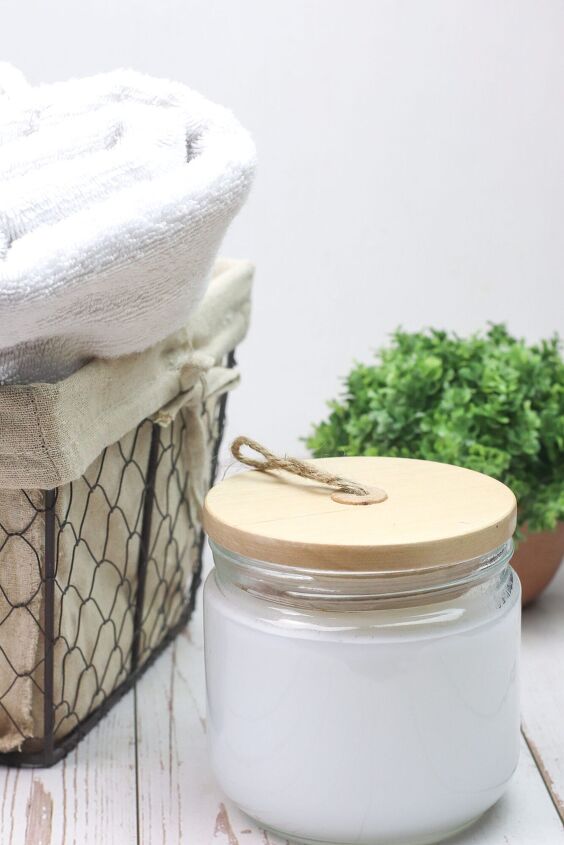
If you have sensitive skin, the artificial scents of regular fabric softener may exacerbate allergies.
Make a batch of this DIY recipe for natural fabric softener to leave in your laundry room today!
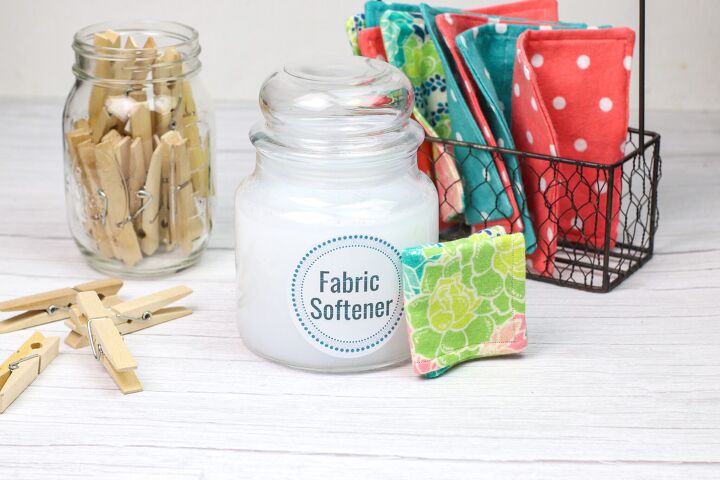
Homemade Fabric Softener Recipe
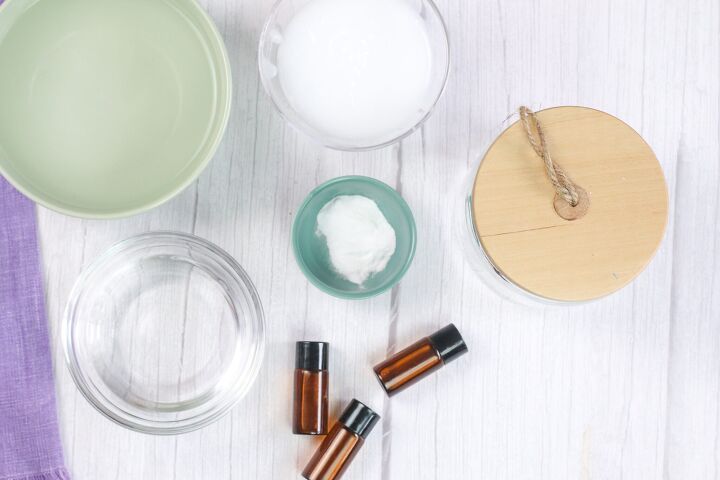
Supplies:
- 1/3 cups of hair conditioner
- 1/2 cup of white vinegar
- 2 cups of warm distilled water
- 1 teaspoon baking soda
- 10-20 drops of lavender essential oil
- 10-20 drops geranium essential oil
- Airtight container, like a mason jar
- Large bowl
- a measuring cup
- Whisk
- Funnel (if needed)
Instructions:
Step 1: In a large mixing bowl, add the hair conditioner, vinegar and distilled water and whisk until well combined.
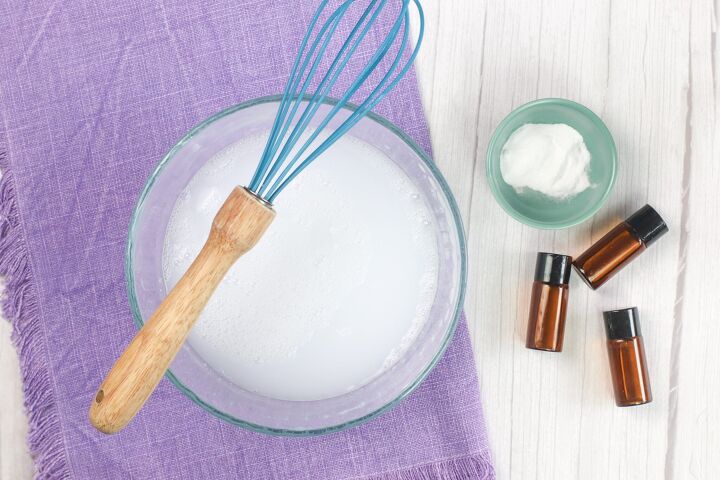
Step 2: Whisk in the baking soda and a few drops of your favorite essential oil.
Step 3: *Pour the mixture into your container.
*You can use this directly in your washing machine according to your manufacturer’s directions or if you are using reusable dryer sheets, you can add this to your container of dryer sheets.
How much homemade fabric softener should I use per laundry load?
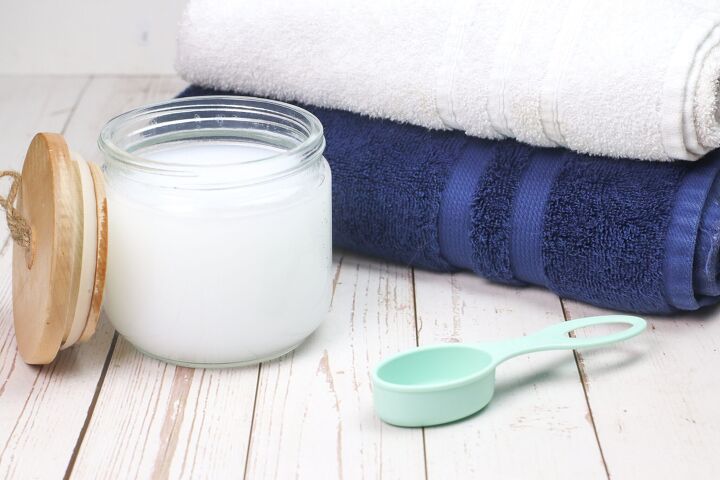
Use up to 1 cup of homemade fabric softener per load of laundry in the fabric softener dispenser, just like you would with commercial fabric softeners.
Why do I need to use distilled water?
Hard water contains minerals and chemicals.
Check out the following recipes for homemade laundry products:
- Homemade Dryer Sheets
- Homemade Laundry Soap
- Wool Dryer Balls
*This DIY Fabric Softener contains affiliate links, which I will receive a small commission for.
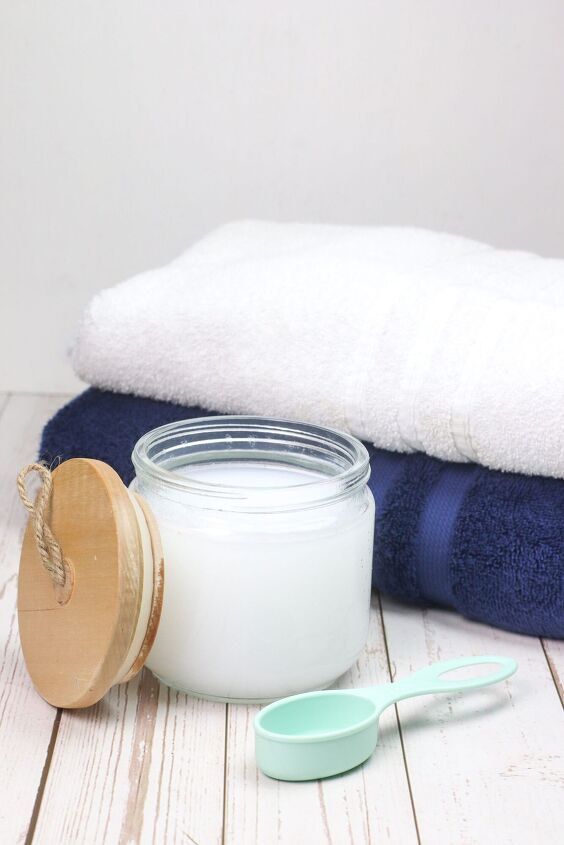
Pair Your Homemade Softener with a DIY Scent Booster!
Resources for this project:
See all materials


Comments
Join the conversation
-
If you plain old white vinegar in your last rinse cycle it will soften your clothes very well. I also dont use a washing soap in my washer. I use baking soda and Oxy Ckean. My clothes stay bright and new looking. I've been doing this for 10 yrs. I discovered a gunk I my washer. I cleaned it, but it took me almost 3 hours to scrape it all out. It was every where.
-
I use epsom salts. They are my go to.















Frequently asked questions
Have a question about this project?
I buy a big bottle of vinegar. I add 10-20 drops of lavender essential oil, shake it up. Done. I use 1/4 cup to a load. Easy, quick, economical.
Is it possible to put this on dryer balls?
Do you have to use geranium oil