
Black mold in pool
Asked on Jun 25, 2023
Why am I getting black mold in my pool?



+15
I've noticed these black spots forming in various areas of my pool, and I suspect it might be black mold. Is this possible?
If you've had experience dealing with black mold in a pool or have successfully eliminated it, I would greatly appreciate your assistance.
Any information you can provide would be appreciated.
Thank you so much
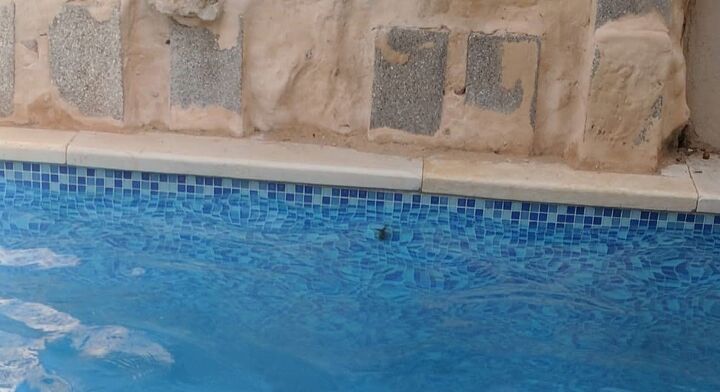







More likely algae growth. Black mold would not grow under water. It needs moisture and something organic to feed on.
It is important to test the PH level of your pol every 3-4 days, especially in hot weather and use the appropriate chlorine mixture to keep the pool in balance. The links William provided includes great info that I won't repeat.
It's probably algae. Have you tested the ph of the water?
Black mold would be highly unlikely. Check with your pool product supplier for a testing kit that will help you correct the issues that cause algae growth, which is most likely what the issue is.
Humidity is the cause. You need more ventillation or a dehumidifier!
With the extream heat we have been having a lot of my neighbors are getting the same thing. It is not mold it is algae. My neighbors have been using Clorex Pool and Spa treatments.
This is more than likely algae since it is underwater. You might want to get the pool water tested and treat, your local pool supply stores can do this and have the recommended supplies to fix the problem.
Go to pool supply store and and get a product to fix it. It is called black algae. Your chlorine levels are low or not checked to correct often enough. Your PH levels are off.
Like all algae, black algae flourish in water, where they can photosynthesize and easily multiply. Growth is particularly common in pools with pH imbalances, low chlorine levels, and poor water circulation and filtration.
Shock your pool and then brush it away with your pool brush.
The spores of black algae can travel to your swimming pool on other objects. Wash pool toys and accessories in bleach and put your family's swimsuits through the washing machine to avoid reintroducing black algae to your pool. Shock your pool.
Thanks for the help everyone
I'm not an expert, but I can offer some suggestions that might help with the black spots in your pool. While I can't say for sure if it's black mold, it's crucial to address any concerns promptly to maintain a clean and safe swimming environment.First, it's a good idea to visually inspect the affected areas and see if the spots can be easily brushed or scrubbed away. Sometimes, these spots could be caused by organic debris or other factors that aren't mold-related.If the spots persist and you suspect mold, it might be wise to consult professionals who specialize in mold remediation. They have the expertise to assess the situation accurately and can provide guidance on how to eliminate the mold safely.
Hi Bracha: I'd have someone look at it who is experienced. If it's black mold, you don't want to fool with it because when anyone is in the water, the mold spores can get into their eyes, nose, ears and mouth and cause serious damage.
You’re probably dealing with black algae rather than mold. It can be stubborn, especially in areas with poor circulation. Try scrubbing the spots, shocking the pool, and running the filter longer than usual. Keeping your chlorine level steady afterward should help prevent it from returning.
Warm Damp Conditions and not enough Ventilation
Hi Bracha, hope this helps you.
Maintain proper water chemistry and sanitation
Ensure proper circulation and filtration
Manually clean the pool
You are getting black mold in your concrete pool because of a combination of factors like poor water chemistry (high pH or low chlorine), worn pool surfaces that hold moisture, and poor circulation. Concrete is porous, making it an ideal surface for algae to take root and difficult to remove compared to other pool types like fiberglass.
So I was reading this post on AquaDoc about why pools get black mold and man, it kind of makes sense, kinda scary too. If you don’t keep water chemistry balanced and your filtration is lazy, mold and algae can sneak in. People think a pool’s just water and maybe some chlorine but it’s way more. If there’s leftover debris, leaves, or even tiny dirt bits, and you don’t clean or filter well enough, that becomes a cozy home for spores.